

Look closely at the sleeping area
Record visible insects or marks without scattering bedding and furniture.
Explore services
For bed bug treatment in Independence, MO, start by explaining the evidence you have found. A bug kept in a closed container or a clear photograph gives a provider something more useful than bites alone. This referral site connects you with an independent business to discuss inspection and possible treatment. The provider checks the address, explains its approach and sets the appointment terms.
Discuss suspected bed bugs at an Independence address.
Ask what the inspection found and what work it supports.
The provider performs and prices any agreed work.
Use Missouri's public applicator search.
An inspection gives bed bug treatment in Independence, MO a defined starting point. Tell the provider where you saw a bug, spotting or shed skins, and whether the signs involve a bed, a sofa or more than one room. The inspection may extend to seams, frame joints and gaps around the sleeping area. Ask what was identified and which spaces need attention. Bites can have other causes, so a treatment proposal should not rest on skin marks alone.
Discuss the available methods with the bed bug exterminator in Independence, MO you contact. Professional heat work requires a preparation and monitoring plan; a chemical approach targets hiding places and may involve return visits. A combination may also be proposed. Ask why the suggested method fits the findings and what happens afterward. The choice belongs to you and the independent provider, including the scope, charges and arrangements for rechecking activity.

There is more to a bed bug plan than choosing a treatment name. Identification, access to hiding places, preparation and a later check all shape the discussion. The pages below explain inspection, heat, chemical treatment, apartment coordination and follow-up as separate topics. An independent provider determines which services it offers. Use these guides to prepare questions, then confirm the actual work and terms for your Independence property.
An inspection is the point at which a provider looks for evidence and considers its extent. Describe both sleeping and resting areas, including any sofa where someone regularly sleeps. Save clear photographs or a contained specimen. Ask which rooms will be checked and whether you will receive notes explaining the findings and proposed next steps.
Read the service guide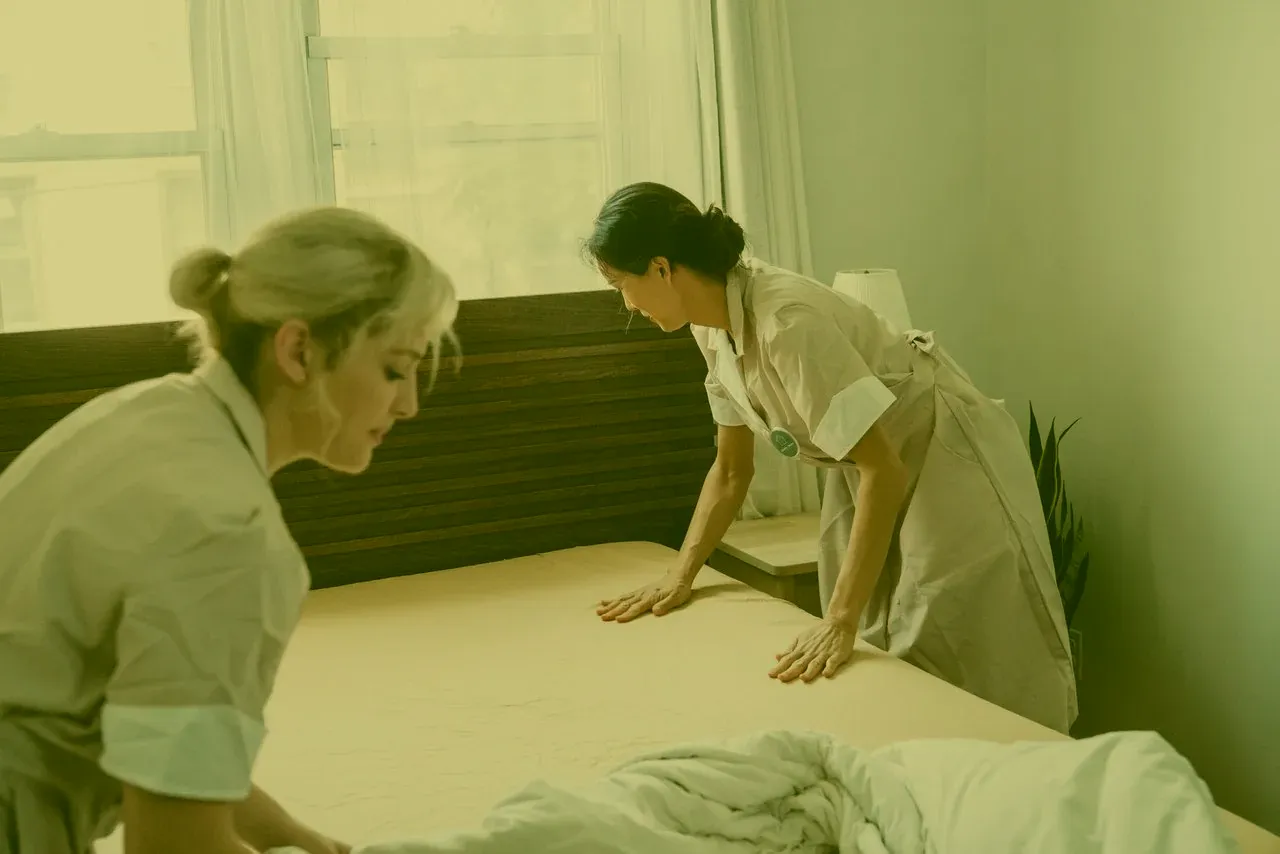
Heat may be proposed for a room or a larger treatment area. Ask how the provider plans access, monitoring and preparation, including heat-sensitive belongings. The work needs instructions specific to your property. Confirm where occupants and pets should stay and when the provider will permit return.
Read the service guide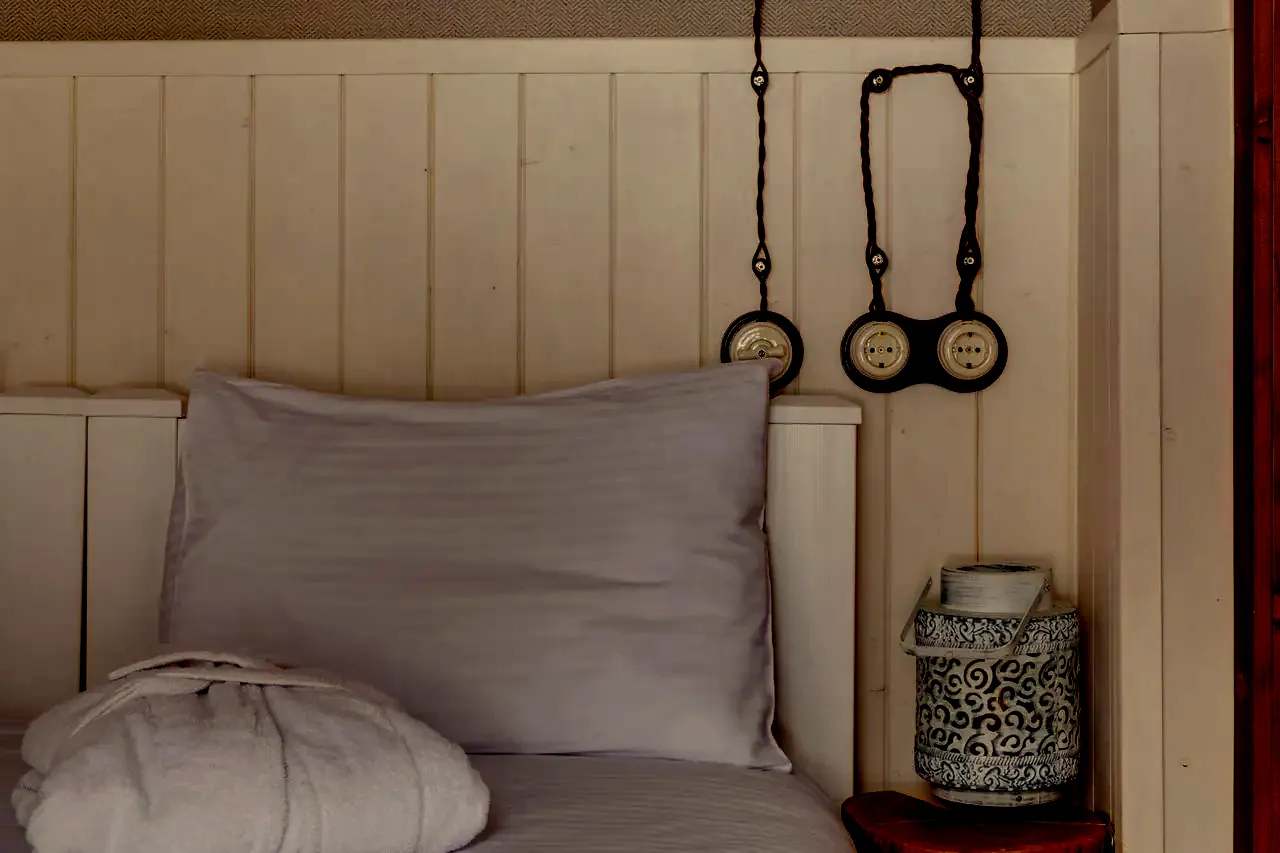
Chemical treatment involves placing selected products in the areas a provider identifies as relevant. Before agreeing, ask which surfaces are involved, what you should move or protect, and when treated rooms can be used. Discuss the number of visits, any later checks and what to do if you notice additional signs.
Read the service guideNote the affected rooms and ask what information the provider needs next.
You can use the first conversation to establish what a business actually offers. Explain the signs, ask about identification and find out how an inspection is arranged. This website supplies the referral; the business supplies the assessment and any proposed work.
Request the business and applicator details so you can consult Missouri's Pesticide Business/Applicator Search. The public search includes General Structure Pest Control, category 7A. Any insurance or service documentation should also be discussed directly. This site does not verify those documents for you.
Ask for an explanation of the evidence before moving to a treatment choice. A small insect near a bed may need identification, while recurring spotting or several affected rooms may change the inspection scope. The provider should explain what remains uncertain, which rooms need access and why the next step is appropriate.
Keep the preparation sheet and return arrangements together. Renters should involve the manager to coordinate access and instructions. A referral does not decide who pays or how tenancy rules apply.
The extent of the evidence, number of rooms, access and proposed method affect the work. Preparation needs and return checks can also change the scope. Ask for those items in writing before deciding; this site does not publish treatment prices.
A provider checks the places implicated by your report, such as mattress seams, furniture joints and nearby gaps. Ask what confirms the insect's identity and whether the findings suggest a wider inspection.
Use the preparation sheet for the method actually proposed. It may cover laundry, belongings and access around furniture. Do not carry suspect items into another room to clear space; ask how the provider wants them contained and handled.
Ask what monitoring is appropriate after the work and where any devices should remain. Note dates and locations of fresh findings rather than treating every mark as proof. Keep the provider's instructions for reporting new activity.
Discuss whether another inspection or treatment visit is part of the written proposal. If evidence continues, send the provider the dates and rooms involved. The return plan should explain what is included and when further assessment may be needed.
These stages are questions to settle with the independent business, rather than a fixed service package from this website. Exact preparation, visit timing and monitoring depend on its findings and the agreed work.

Live insects, shed skins and dark spotting near mattress seams are useful details to report. A bite pattern is not an identification. Describe what you found, where it appeared and when you noticed it.
Continued bites do not show which insect is involved or whether a treatment reached it. Tell the provider which products were already used and where. Identification and an inspection can establish a more useful starting point than repeatedly treating the same visible surface.
Explain to the manager which units have reported signs and when. A provider may need access beyond the first reported room to assess a shared building. Keep dated messages and ask for one coordinated preparation plan, rather than moving belongings between units to make space.
Keep the piece in place while you ask for advice, and avoid passing it to another household. A provider can assess whether the insect is a bed bug and what to do with the furniture. Disposal is a decision to discuss after inspection.
Before new occupants unpack, a property manager can arrange an assessment of the reported rooms and share the findings with the provider. Ask how any proposed work, access and later monitoring should be organized. Do not assume an empty unit has resolved the concern.

The following cards are generalized examples, not customer accounts or reviews. They show information a person could bring to an assessment.
A homeowner notices dark spotting on a bed frame and keeps a clear photograph before making contact. An inspection can help identify what caused the marks and decide which rooms require attention. This is an illustrative situation, not a report of work carried out by a provider from this site.
A property manager receives reports from two adjoining apartments and gathers the dates and room locations. The next discussion concerns access, identification and a shared preparation plan for affected occupants. This generalized example does not describe a completed job or a customer endorsement.
A renter finds a small insect while unpacking and photographs it for identification. Reporting the finding in writing and speaking with the property manager can help organize an assessment. This card describes a hypothetical concern, rather than a testimonial.
The referral information covers Independence addresses in 64052, 64055 and 64056, the Independence part of 64050 and 64053, and Independence addresses in 64057. The city identifies Englewood/Procter in 64052 and Golden Acres in 64055 among its traditional neighborhoods. Names in 64056 include recorded subdivisions such as Far View Heights and Blue Mills; they are not the same neighborhood designation. Give the provider your full address so it can confirm availability for the property.
The city has 56,084 housing units in ACS 2024 estimates. Housing age does not identify a bed bug problem.
ZIP boundaries and city limits differ. The independent business confirms service at your address.
Start by asking how the business confirms the insect and defines the inspection area. Check the business and applicator details in Missouri's MOPlants Pesticide Business/Applicator Search. Then ask for preparation instructions, an explanation of the proposed method and the terms for any return visits before you choose whether to book.
Yes, a provider can assess an apartment, with building coordination where needed. Tell the manager about the signs and whether another unit has reported them. Ask the provider which adjacent spaces should be checked and how access will be arranged. Rental Ready is a city safety inspection program; its listed inspection items do not include pests.
The findings and proposed method determine the visit plan. An initial treatment may be followed by monitoring, another inspection or additional treatment if activity remains. Ask the business to distinguish those visits and state which are included. A single published schedule cannot account for every home or building.
They may need to leave, according to the selected method and the provider's instructions. Ask separately about people, pets, belongings and permission to return. Do not infer a return time from how a room looks or feels. Obtain the preparation sheet before the visit and follow the instructions for the actual treatment proposed.
Report the new evidence to the provider with a date, location and photograph if possible. A later finding may call for identification or reassessment; it does not by itself explain the cause. Follow the written monitoring plan and ask whether the next check is included. Avoid adding products that could interfere with the agreed approach.
Use these answers to frame your conversation about identification, apartment access, visit plans and preparation.
Discuss a questionA few careful notes can make it easier to explain your concern and compare the proposed next steps.

Record visible insects or marks without scattering bedding and furniture.
Explore servicesAsk for method-specific directions before changing the treatment area.
Explore services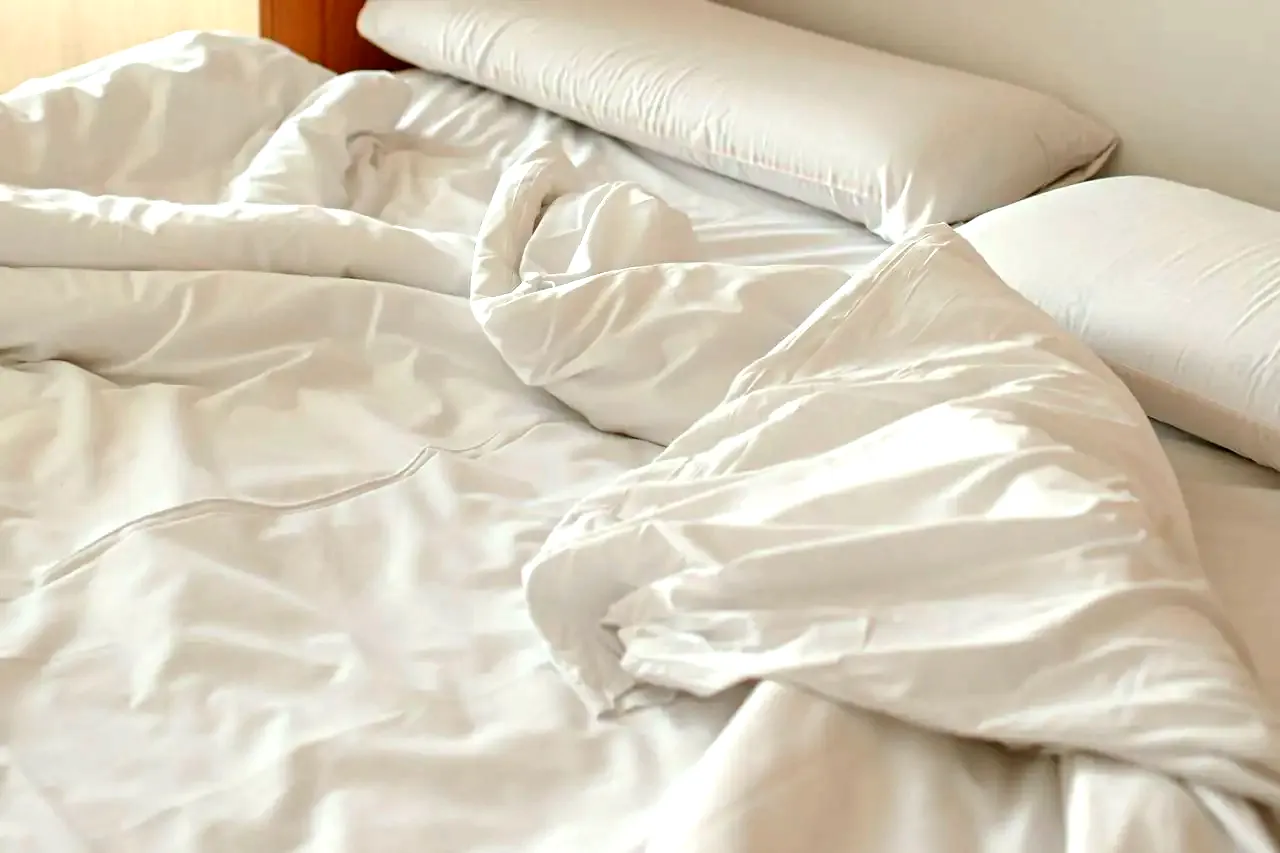
Separate the inspection, treatment method and return visits in the proposal.
Explore servicesTelephone referrals operate 6 a.m. to midnight Central Time (7 a.m. to 1 a.m. during daylight saving time). Ringba handles call tracking, and calls may be recorded. The LeadSmart form on the contact page is available at all hours. When the telephone line is closed, the call buttons direct you to that form.